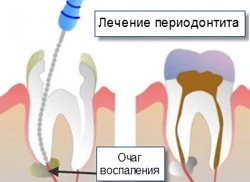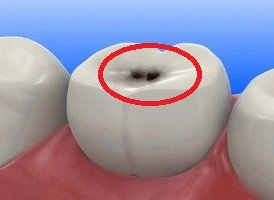

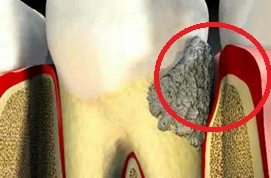
Periodontitis is an inflammation of the periodontium (the tissue that surrounds the base of the tooth). But you should not assume that inflammation occurs only in the gums, the bone tissue and muscles that fix the tooth in the jawbone are also infected.
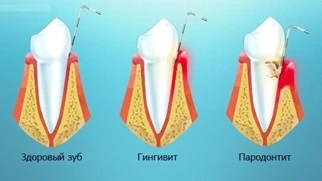
Periodontitis is one of the most dangerous diseases of the oral cavity. In modern dentistry, it is not always possible to completely eliminate the disease in advanced stages, therefore, as with every dental disease, timely dental treatment is required. Kyiv is represented by one of the cities of the CIS, where there are many clinics for the treatment of serious diseases of the oral cavity. So you can be healthy, but you need to want it.
Difference Between Periodontal Disease and Periodontitis
Periodontitis is more aggressive than periodontal disease, it can develop rapidly, leading to tooth loss in a few years if treatment is not started on time.
Periodontal disease destroys the periodontium for decades.
Symptoms of periodontal disease
- there was a feeling of swelling in the gum area
- Frequent bleeding
- unusual smell from the mouth
At the advanced stages of the disease, one can observe the formation of periodontal canals, loosening of the teeth, the appearance of gaps between the teeth, the formation of secretions from the periodontal canals.
 Article in the topic: who treats periodontitis?
Causes of periodontitis
– Improper oral hygiene or its absence;
– Diseases of the internal organs, such as VVD, hypo- and hypertension;
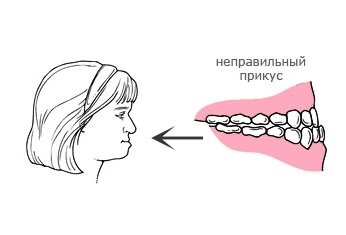
– Pathological deformation of the jaws, which is the cause of complications for high-quality oral hygiene;
– Violation of metabolism and problems in the functioning of vital organs;
– Low quality of treatment in the dental clinic, in turn, fillings, prostheses are incorrectly placed;
– Injuries to dental tissue, etc.
Types of periodontitis
1. Generalization form of periodontitis – expressed by the defeat of a large area of the gums with gradual complications and spread throughout the oral cavity. This is an advanced stage of the disease, treatment should be started immediately.
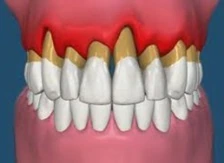
2. Localized periodontitis – affects only a certain area, often only one tooth hole is exposed to the disease.
3. Chronic periodontitis – divided into 2 types – mild and severe stage. The mild form is characterized by bleeding gums, their lightening and deformation. There is also tooth mobility and an unpleasant odor in the mouth. A severe form of chronic periodontitis has a different symptomatology, up to a violation of the chewing function. It is also characterized by: bleeding, inflammation of the edges of the gums near the tooth socket, deepening of periodontal pockets.
4. Acute periodontitis – almost always caused by damage to the teeth in any way. The acute form of the disease is accompanied by severe pain in the damaged area, increased sensitivity to all possible stimuli.
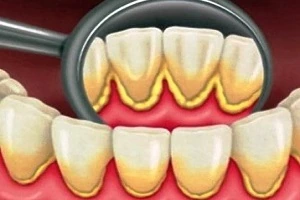
5. Purulent periodontitis – occurs due to complications in the chronic form of the disease. Its first sign is a significant deepening of the periodontal canal, accompanied by inflammation of the gum margins near the tooth. A deep pocket in the periodontium becomes a place for collecting food debris, in which various microbes and bacteria will multiply.
Periodontitis affects both adults and children. In children, periodontitis is usually called juvenile. It occurs due to significant metabolic and hormonal disorders. But first of all, the causative agent of the disease is improper oral hygiene, for children this is very typical. Symptoms of juvenile periodontitis are white plaque on the teeth, rotting breath, tartar, loose teeth and bleeding gums.
Treatment of periodontitis
The main method of radical treatment of periodontitis is surgical treatment to eliminate the pathological periodontal pocket, as well as the removal of hopeless teeth to preserve the bone of the alveolar process, which can be used for dental implantation.
Surgical and orthopedic intervention, prosthetics, subsequently – dietary and spa treatment, mental peace. Treatment is individual, complex, the choice of methods depends on the stage of the disease, the nature of the complication and the general condition of the body.
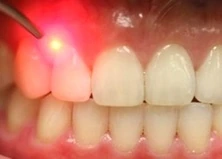
Treatment of periodontitis is performed by therapeutic or surgical methods. With a mild degree of the disease, tartar is removed without fail and drugs are prescribed that eliminate inflammation. Surgical treatment of periodontitis, in the first place, is aimed at cleansing and eliminating periodontal pockets. For this purpose, the method of open or closed curettage is used: open curettage allows you to penetrate into the deeper layers of the periodontium due to the exfoliation of the gums and its subsequent suturing after the procedure.
If the depth of periodontal pockets exceeds 6 mm, then for effective treatment of periodontitis, a flap operation is performed, during which the upper gum flap is removed to clean the pockets, which is sutured after the procedure.
 Video: treatment of periodontitis
Prevention

In the stage of remission – a high level of personal hygiene of the oral cavity, the use of hard, plant foods, the uniform participation of all teeth in chewing, the timely removal of dental deposits and filling of teeth. For early detection of periodontitis, an extensive examination is necessary, which includes the collection of information, examination, probing the depth of periodontal pockets, and radiography.
Dentists in Kiev that treat periodontitis.
See also: Kyiv clinics offering «Gum treatment».
Clinics offering this service
Dental clinic

Dental clinic