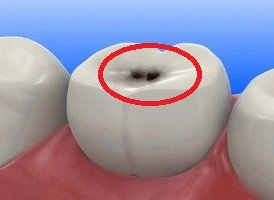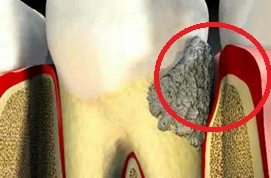


Bad breath (halitosis) is a problem that is familiar to every second inhabitant of the earth. Bad breath is a common cause of self-doubt, which in most cases becomes a kind of barrier to free communication. The smell from the mouth can be constant or intermittent (for example, occurring on an empty stomach). Experts note that such a phenomenon is the first sign of any dental problem or diseases of internal organs, therefore, once again they remind you of the timely treatment of inflammation of the gums and oral mucosa.
Types of halitosis
To date, doctors distinguish only 3 of the most common types of halitosis:
- Physiological halitosis. This type of halitosis may occur after eating foods high in sulfur compounds (onion or garlic). Also, physiological halitosis can be associated with the physiological characteristics of the oral cavity (the putrefactive composition of the plaque microflora on the back of the tongue).
- Pathological halitosis. In such a situation, the main cause of bad breath is various kinds of inflammation or diseases of the internal organs.
- Pseudogalitis. With pseudohalitosis, the smell from the mouth can be weak, almost not felt by others, however, disturbing the patient himself. Such situations are typical for people who suffered from physiological or pathological halitosis, after which they cured it, but still continue to worry about bad breath.
It should be noted that in all of the above cases, the exhaled air acquires an unpleasant odor under the influence of sulfur or nitrogen-containing compounds.

Causes of bad breath
If we talk about the most common causes of halitosis, which lie in the oral cavity, then first of all it is worth highlighting the following:
- Hygiene. Micro-particles of food that get stuck between the teeth can cause bacteria to colonize and rot (if they are not removed in time). In addition to brushing your teeth, it is important to use dental floss or an irrigator to prevent the buildup of bacteria. To make the effect of brushing your teeth or using dental floss as long as possible, you can use special mouth rinses.
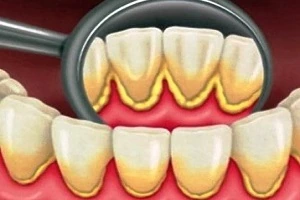
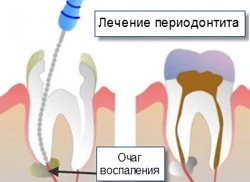
- Periodontitis and gingivitis. With inflammation of the gums and periodontitis, as a rule, plaque is formed, which can cause halitosis.
- Dry mouth. Saliva cleans the mouth and protects it from bacteria, so dry mouth is another cause of bad breath. The reason for this phenomenon can be stress, dehydration, as well as some diseases.
- Extraction of teeth. An unpleasant odor can arise from a healing wound that is left after surgery. In such a period of time, it is important to monitor oral hygiene.
- Hormonal shifts. Halitosis can occur during adolescence, as well as during pregnancy.
Also, the causes of bad breath can lie in a person’s lifestyle:
- Food and drink. The smells of garlic, onions and spicy dishes penetrate directly into the vascular bed and lungs, and at the moment of exhalation, turn into an unpleasant odor. Regular coffee drinking can also cause bad breath.
- Smoking. Smokers often have a similar problem, and in order to get rid of it, it is necessary to act radically. You need to quit smoking!
- Alcohol. People who abuse alcohol also often have problems with bad breath (due to the metabolism of alcohol in the body).
The above are only the most common causes of halitosis. In fact, there may be many more.
How to self-diagnose halitosis?
Many may not even realize that their breath is fetid to other people, due to the fact that they simply do not feel it. If you suspect that bad breath is still taking place, then the right decision would be to ask a loved one to frankly admit whether there is an unpleasant smell during communication or not. If you are embarrassed to do this, you can always make a preventive visit to the dentist and even be examined. However, there is also a way to self-identify halitosis.
It is worth considering that at home it is easiest to detect halitosis in May (middle or end of the month). Toothpaste or chewing gum can mask bad breath, so it’s best to test 4-5 hours after using them.
– With the palm of your hand. We breathe into a slightly bent palm and bring it to the nose. If you feel bad breath, then it’s time to take appropriate measures.

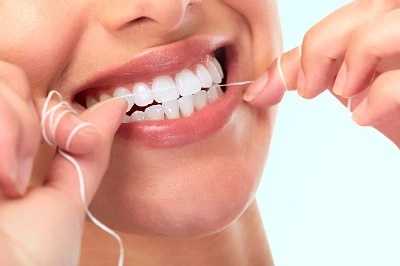
– Using dental floss. We take a dental floss, insert it between the teeth and make translational movements back / forward. If after this procedure, the thread has a bad smell, then there really is a problem with bad breath.
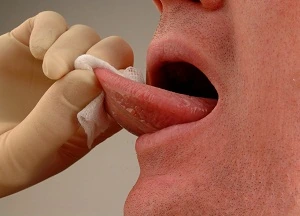
– Using a cotton pad. You can also use a cotton pad to detect halitosis. To do this, wipe the tongue and the inner surface of the cheeks with a cotton pad (easily, without much effort). If an unpleasant odor remains on the disc, then you should definitely make an appointment with the dentist.
This is not all, but the most simple and common ways to detect bad breath (if you yourself do not hear it).
Who is at risk?
The group of people who are also at risk of “acquiring” bad breath includes:
- Patients with endocrine and immunodeficiency disorders, as well as disorders of the intestinal microflora.
- Patients with hormonal disorders and inflammatory and infectious processes in the oral cavity.
- People with problems with the functioning of the salivary glands.
- People with overweight, as well as those prone to flatulence.
Treatment of halitosis. Which doctor should I contact?
If you have an unpleasant smell from your mouth, then in this case, you should not put off going to the dentist “on the back burner”. The doctor will conduct a professional diagnosis, identify the cause of halitosis and prescribe an effective treatment (professional cleaning, treatment of diseases of the teeth and gums, getting rid of tartar, etc.). If there is no effect of treatment from a dentist, then it is necessary to consult a gastroenterologist, in more rare cases, an ENT doctor, a pulmonologist or an endocrinologist.
Prevention of the appearance of halitosis
The main preventive measures include careful care of the oral cavity and timely treatment of diseases of the gastrointestinal tract, as well as other internal organs. We are talking not only about standard cleaning, which lasts for 2-3 minutes, but also about the following points:
- Dental floss. Use floss (dental floss) twice a day.
- Snacking. Try not to snack between meals (if you do, try to replace cookies and hamburgers with salads and fruits).
- Rinsing. After eating, do not forget to rinse your mouth with a special mouthwash.
- Language. When brushing your teeth, do not forget to clean the tongue from bacterial plaque.
Remember, trying to mask the problem with refreshing sprays, rinses and chewing gums is not worth it, because the fight against halitosis is a job for doctors.
Dental clinics in Kiev – prices for consultation and other dental services of clinics in Kiev.