

Toothache
Toothache is considered a protective reaction of the human body, indicating the presence of a problem in the mouth. In this case, a specialist diagnosis and appropriate treatment is required.
The main causes of toothache
The most common causes of acute pain include:
- caries
- periodontitis
- pulpitis
- bruises after impact
- eruption of the wisdom tooth
- after dental treatment
- change of milk teeth.
The pain may be associated with the eruption of a wisdom tooth. Regardless of the age category, swelling of the gums is accompanied by a painful sensation.
Perhaps the occurrence of toothache and after dental treatment. So, after filling or removing the nerve, the tooth adapts, which is accompanied by aching pain.
If there is pain after dental prosthetics, then this is one of the signs of a poor-quality procedure, you should immediately consult a doctor.
In babies, toothache occurs when changing milk teeth or when a dental disease occurs.
Types of diseases and symptoms of toothache
With various diseases of the teeth, the main symptom is acute pain. Consider the types of diseases and the symptoms that accompany them.
1. Hyperesthesia – (increased sensitivity of hard tissues of the tooth), occurs with increased abrasion of the enamel, when the necks of the teeth are exposed, injuries, damage to the enamel, etc.
In most cases, the pain is intense, but quickly passes, occurs with mechanical (load on the tooth), chemical (sweet, sour, salty), temperature (hot, cold) stimuli. Patients note that when the tooth is loaded, when cold air is inhaled, when eating sour, salty, fruits, slightly warmed food, pain is observed, but sometimes they appear in a reduced form or may disappear altogether (remission). In some cases, it is difficult to determine the diseased tooth, as the pain spreads to adjacent teeth.
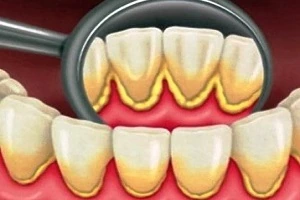
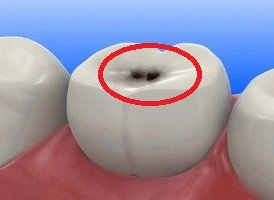
2. Caries is a disease of the hard tissues of the tooth, which leads to the destruction of enamel and dentin. First, caries appears on the deepening of the teeth (fissures), as well as in areas where plaque accumulates most (gingival area and interdental spaces). fluorine, chlorine and others) and soften, after which a defect in the form of a cavity forms on the tooth.
- with superficial caries, the pain is short-term
- with medium caries, when the dentin is already affected, the pain is longer.
- with deep caries, the dentin layer covering the tooth pulp becomes very thin, the pain with deep caries is long and aching, from deep caries the disease progresses to pulpitis.
3. Pulpitis – the decay of organic matter – dentin and infection in the pulp.
The pain is more intense than with caries, which occurs for no apparent reason. The duration of the attack depends on the duration of the inflammatory process. At the beginning of the disease, the pain is short, lasting a few seconds, but over time, the pain becomes permanent, and may worsen at night. Pain can be provoked by mechanical (load on the tooth), chemical (sweet, sour, salty), temperature (hot, cold) stimuli.
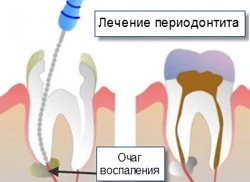
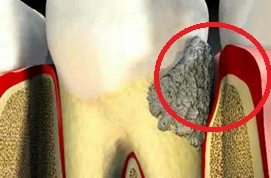
4. Periodontitis is an inflammation of the membrane of the root of the teeth and adjacent tissues.
Periodontitis is characterized by constant pain, the intensity depends on the stage of the inflammatory process. Acute periodontitis occurs with severe acute pain, often localized in the diseased tooth.
5. Periostitis (flux) – inflammation of the periosteum of the alveolar processes or parts of the jaw of an infectious or traumatic origin.
Periostitis is characterized by throbbing, arching constant pain, swelling of the affected area, fever, slight pain during stress in the area of the diseased tooth.
6. Pericoronitis – swelling of the gums near the wisdom tooth. Pain usually occurs after wisdom teeth erupt. Under the edge of the mucous hood, food remains penetrate, which decompose, become infected, and cause an inflammatory process.
Treatment of toothache
1. Hyperesthesia (increased sensitivity of hard tissues of the tooth).
Treatment: restoration of the mineral composition of the tooth, coating with special protective films that prevent exposure to chemical (sweet, sour, salty) and temperature (hot, cold) irritants.
2. Caries
Treatment – cleaning of the carious cavity (cavity destroyed in the tooth by caries), and filling with modern dental materials.
3. Pulpitis
Treatment: cleaning of root canals, filling of canals and carious cavity (cavity destroyed in the tooth by caries). If microorganisms penetrate the periodontium, proper treatment is carried out and only then they are sealed.
4. Periodontitis
Treatment: drilling of all tissues affected by caries, cleaning of root canals, root canal treatment, then filling of canals and carious cavity. In some cases, they resort to surgical intervention or, in some cases, to the extraction of a tooth.
5. Periostitis (flux)
Treatment: anesthesia is performed, an abscess is opened on the gum, washed, drainage is applied, with the help of which the remnants of pus are rinsed out for several days. Then the tooth is treated, which led to the occurrence of suppuration. Sometimes there is a tooth extraction along with the opening of the abscess.
What to do if a tooth starts to hurt during pregnancy?
Often, toothache during pregnancy is associated with an exacerbation of pathological diseases or diseases that a woman did not get rid of before pregnancy. It is advisable, if you have problems with your teeth, to consult a dentist before pregnancy, but if pain occurs during pregnancy, you should not self-medicate or wait for everything to go away by itself, delaying a visit to the dentist can become even worse, so you need to contact dentist, localize the pain, follow the recommendations and be under the supervision of a doctor.
Prevention
To avoid such diseases and the unexpected appearance of pain in the tooth at night, you need to visit the dentist 2 times a year to diagnose the oral cavity.
Remember! If you have a toothache, it’s best to see a dentist rather than expecting the pain to go away on its own. If you do not visit the dentist in time, there can be serious consequences – tooth loss.
Search dentistry in Kiev by services