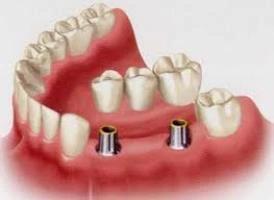


Dentist-therapist is a specialist who deals with the treatment of teeth, caries, pulpitis and periodontitis.
Dentist-therapist conducts an examination of the oral cavity, gives answers to your questions related to the prevention of dental diseases.
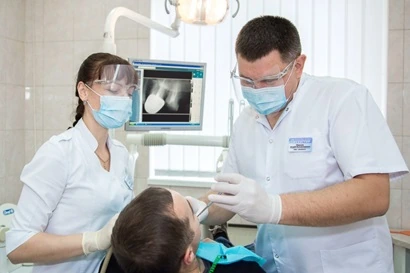
Tasks of a dentist-therapist?
The task of the therapist is the correct examination and diagnosis, preparation of the oral cavity, treatment of various diseases of their specificity, caries, pulpitis, periodontitis.
What does a dentist do?
- eliminates caries and fills the cavity with a filling
- treats inflammation of the teeth or removes the dental nerve
- restores and corrects the shape of the tooth
- performs an operation to remove the neurovascular bundle (pulp).
When is the help of a dentist-therapist needed?
The most common diseases that cause people to see a dentist are caries, pulpitis, periodontitis, periodontitis and periodontal disease.
Caries
The appearance of caries is due to a change in the acid-base balance (pH), which corrodes the surface of the tooth, followed by leaching of calcium and destruction of the enamel. Almost every person suffers from this dental disease.
 More about caries: Causes, types, symptoms, treatment
Pulpitis
This is an inflammatory process in the dental pulp as a result of exposure to various irritants. The cause of pulpitis are microorganisms and their metabolic products that enter the pulp chamber from the carious cavity. Pulpitis downstream are acute and chronic. Clinical manifestations of pulpitis, depending on its form, have their own characteristics. Acute pulpitis is characterized by spontaneous aching pains that are aggravated by all types of irritants. Acute pulpitis occurs more often with a closed tooth cavity. In chronic forms of pulpitis, aching pain in the tooth occurs only after the action of the stimulus. When examining a carious cavity, it is almost always possible to detect a message with the pulp chamber.
In the treatment of pulpitis, the following problems must be eliminated:
- eliminate the pain symptom
- remove the focus of inflammation in the pulp
- protect periodontal tissues from damage in order to prevent the development of periodontitis
- give the opportunity to complete the formation of the root in the treatment of pulpitis in a child
- restore the anatomical shape and function of the tooth as an organ.
Periodontitis
This inflammation of the periodontal tissues, characterized by progressive destruction of the periodontium and bone, occurs due to the combined effects of various exogenous and endogenous factors. The course of the disease can be acute, chronic and in remission. The prevalence of the process: localized and generalized.
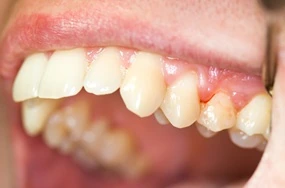
In acute periodontitis, the following complaints occur:
- bleeding gums while eating or brushing your teeth
- an unpleasant character of the smell from the mouth, which does not go away
- aching pain, when eating cold or hot food.
The chronic course of periodontitis is characterized by:
- constant acute pain
- increased tooth mobility
- displacement of teeth and the formation of gaps between them
- bleeding gums, which occurs without external influence on the teeth.
What examination does a dentist perform?
The doctor must carefully interview the patient about his complaints, conduct an examination.
The main types of examination of a dentist-therapist are:
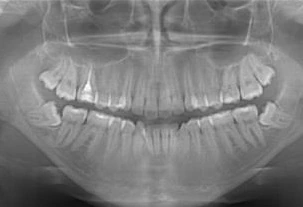
- Digital radiography
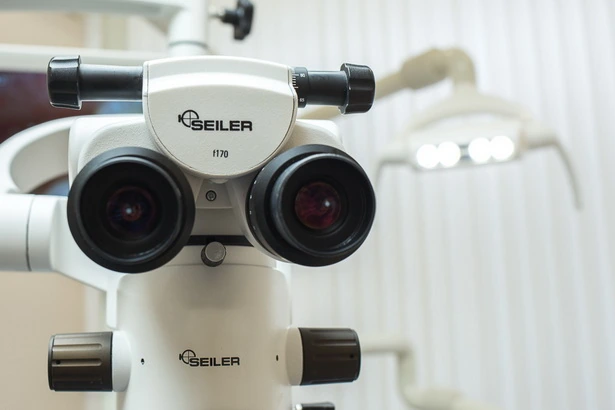
- Microscopy
- EOD (electroodontodiagnostics), rheodontography.
C tips of a dentist-therapist:
- Clean your mouth at least 2 times a day using fluoride toothpaste. Be sure to brush your teeth before bed.
- After eating, especially before bed, use dental floss or designated interdental cleaners such as interdental brushes.
- Minimize the consumption of carbohydrate foods, which are very detrimental to tooth enamel and most often contribute to the development of caries.
- Use the advice of a dentist to determine whether in your case you need additional use of fluoride preparations to strengthen your teeth.
- Talk to your doctor about the need to use additional means to protect against caries, such as applying a special hermetic agent to the surface of the molars.
- Drink fluoridated water. Fluoridated water is especially useful for children to protect against caries. Use it at least 0.5 liters per day.
- Get regular check-ups with your dentist and get professional teeth cleanings.
- Consult with your doctor about modern caries prevention methods. For example, xylitol gum has been proven to temporarily slow down the growth of bacteria that cause cavities.
Do not be afraid of a dentist-therapist, in our time it is not so scary, and even in some cases it is even interesting to find out how far the technology has gone, but best of all, take care of your teeth, visit the dentist 2 times a year to check your teeth, lead a healthy lifestyle and do not get sick to avoid unnecessary trips to the dentist. If you need to visit a dentist to check your teeth, then You can find a good dentist on the 101stomatologist portal.
See also: Kyiv clinics offering «Tooth filling».
Clinics offering this service
Dental clinic
Dental clinic
Kyiv, Mayakovsky Avenue, 32.