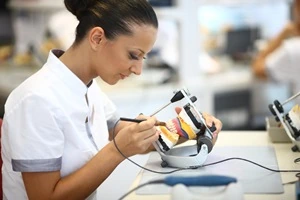

An orthopedic dentist is a specialist engaged in the prevention and diagnosis of defects in the dentition, performing prosthetics.
What does an orthopedic dentist do?
- preparation of teeth for a crown, that is, the treatment of caries, pulpitis, root canal filling;
- removal of non-viable teeth;
- installation of crowns;
- restoration of lost teeth;
- prosthetics;
- taking impressions for the manufacture of the necessary structures (crowns, dentures, inlays, etc.)
- consultation and agreement with the patient on the type of crown, price, and terms of work;
Types of crowns installed by an orthopedic dentist
- metal
- cermet
- ceramic.
What types of dental prosthetics does an orthopedic dentist perform?
Dentists offer the following types of prostheses: removable, non-removable, clasp, conditionally removable prosthetics, microprosthetics – as the main types of dental prosthetics.
1. Removable prosthetics
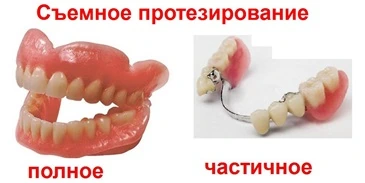
Removable prosthetics is a complete restoration of the functionality of the dentition. Removable dentures include small, removable clasp, lamellar dentures. Plate dentures are equipped with a plastic base that exactly copies the shape of the gums, and artificial teeth are already placed in the plate denture. The dentures are created individually, taking into account the personal characteristics of the dental arch of each patient. The disadvantage of such a prosthesis is that it must be removed daily for hygiene.
2. Fixed prosthetics
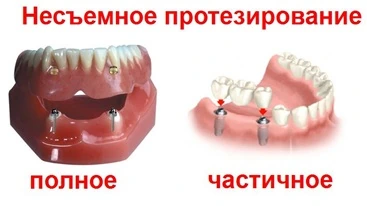
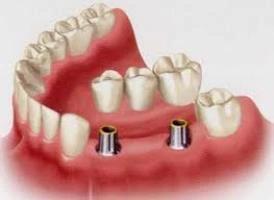
Fixed prostheses are made of metal ceramics, zirconium or other durable materials that can withstand increased stress. Fixed dentures can be single or in the form of bridges that allow you to replace several missing teeth. They are fixed with special compounds.
3. Clasp prosthetics
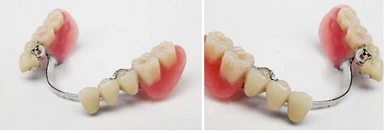
Clasp prosthetics is based on the use of an arc-shaped design. The advantage of clasp prostheses is the increased reliability of fixation and strengthening of loose teeth, they are also durable, comfortable, evenly distribute the load on the gum tissue and abutment teeth.
4. Prosthetics is conditionally removable
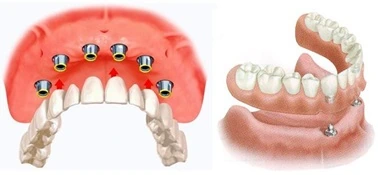
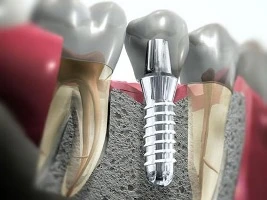
Prosthetics with prostheses that are fixed with locks to the abutment teeth; on implants where the crown is screwed onto the abutment. The prosthesis can be removed by the dentist from the tooth, so such prosthetics is called conditionally removable.
5. Microprosthetics
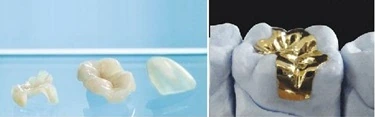
Microprosthetics is most related to restoration. Microprosthetics allows for a partial restoration of the tooth. Instead of filling, an inlay is installed, the tooth shape is corrected by gluing veneers.
 Video: How tooth prosthetics work
What types of diagnostics does an orthopedic dentist perform?
Effective treatment of the oral cavity can only be prescribed after a high-quality and correct diagnosis.
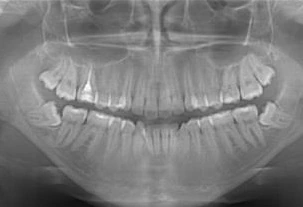
Modern medicine in orthopedic dentistry highlights dental radiography, computed tomography, axiography, often doctors use a snapshot of the jaws in the form of a 3d panorama.
Tips from an orthopedic dentist:
In case of tooth extraction, the orthopedic dentist recommends immediately seeking medical help to eliminate the integrity of the dentition, that is, using the service of prosthetics. You should also know that it is advisable to visit an orthopedic dentist once every 12 months, because timely treatment of the oral cavity and dental prosthetics is the key to a healthy future.
Be always healthy!

Search for dentistry in Kiev by service: prosthetics
Search for a dentist in Kiev: orthopedic dentist
Clinics offering this service
Dental clinic

Kyiv, st. Bolshaya Kitaevskaya, 83, tel. (044) 525-58-28.
Dental clinic

Kyiv, 70 40th Anniversary of October Avenue, 3rd floor, office 338.