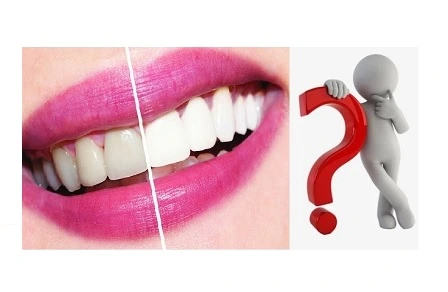

Using toothbrushes allows you to clean only 3 out of 5 tooth surfaces. As for the remaining interdental surfaces, they need special care, since plaque and small pieces of food from the interdental spaces cannot be removed with a conventional brush. For this reason, tooth decay and gum disease often begin at this stage. For effective cleaning of all dental surfaces, flosses (dental flosses) were developed – threads of various structure, the main purpose of which is to clean the interdental spaces from food debris.

The use of floss is recommended in the following situations:
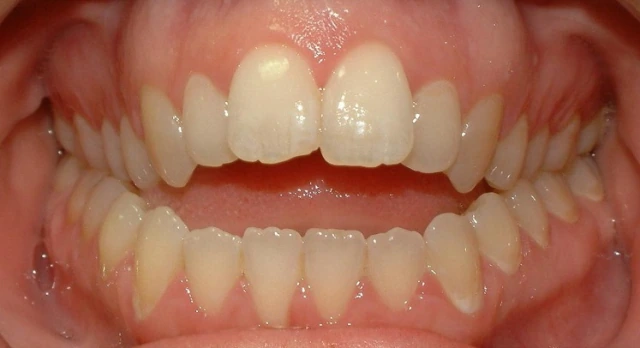
- With crowded teeth.
- With the following diseases: gingivitis, periodontal disease, periodontitis.
- In the presence of prostheses, braces, veneers and other structures.
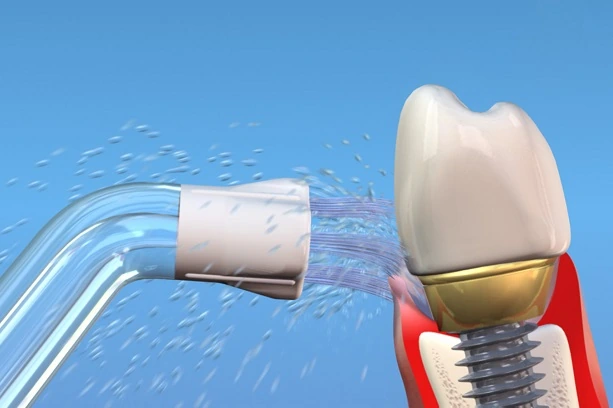
- In the presence of implanted implants.
- For cleaning hard-to-clean spaces between teeth, etc.
After installing the filling (especially if composite materials were used), the dentist is obliged to teach the patient how to use the floss, since it is quite difficult to polish the proximal surfaces, and it is not often possible to ensure proper smoothness.
Floss varieties by type
It is worth noting that all dental flosses are different from each other and before you buy the right floss, you need to familiarize yourself with the basic selection rules. Today, there are two types of floss:
- Waxed dental floss, intended for people who use such a hygiene product for the first time. Such a floss is guaranteed not to harm the mucous membranes and gums due to the wax coating, such a floss may break off.
- Unwaxed dental floss, which is more effective as it separates into individual fibers, so it is better for contact and penetration with contaminated surfaces.
Rules for choosing dental floss
Before buying a floss, it is important to pay attention to the size of their cross section. Also, when choosing a dental floss, it is important to consider the condition and location of the teeth:
1. Flosses of round section. Recommended for people with large interdental spaces.
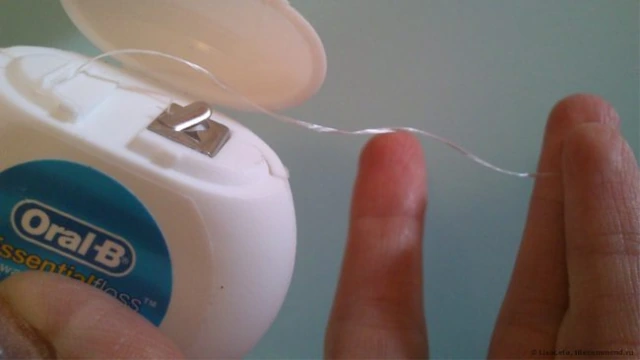
2. Flosses of flat section. Recommended for people with crowded teeth.
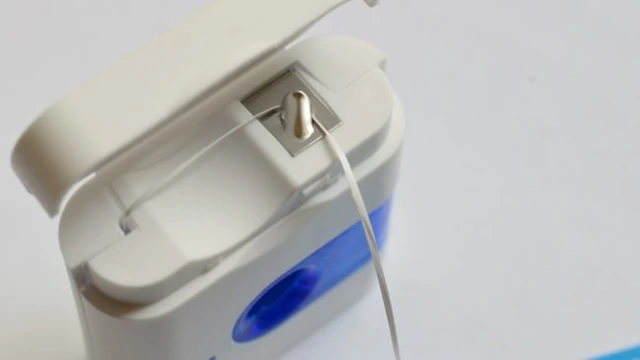
- Volumetric flosses. Recommended for patients with periodontitis (such dental floss swells slightly during operation, which does not irritate bare roots).
- Superfloss. Recommended for patients who wear orthodontic appliances. Such dental floss is a combined dental fiber, with the presence of segments of variable diameter, which guarantees the highest quality cleaning in people with braces.
Floss can be impregnated with different compositions:
- Fluorine. To ensure the prevention of caries.
- Antiseptics. To provide a therapeutic effect.
- Aroma substances. For refreshing the oral cavity and the most pleasant process of brushing your teeth.
Most often, dental floss comes in small rolls with a built-in cutter for maximum ease of use.
Types of dental floss by material and their differences
All flosses, which are produced by numerous global manufacturers, can be divided into separate categories according to the material used in the production process:
- Teflon floss. A single thread is used, which does not contain fibers.
- Nylon floss. Several fibers are used at once, which are combined into one thread (it is worth noting that such dental floss can be either waxed or not waxed).
Teflon flosses are considered more comfortable (the fibers do not separate and do not tear during friction against the teeth). Such threads are ideal for those who are just getting acquainted with flossing. However, both the first and second types of fibers are highly effective means for removing food debris from the teeth.
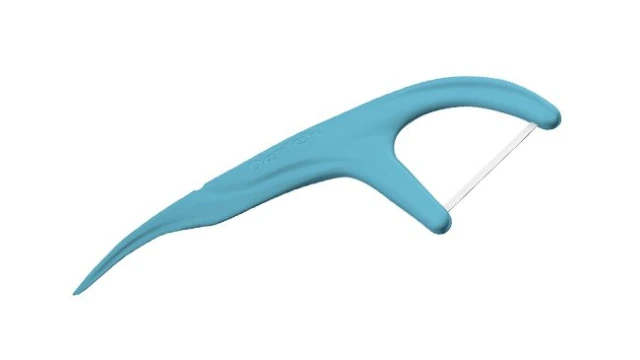
In their appearance, dental floss can differ significantly from each other. Often, packing takes place in boxes, which are assigned one skein. As for the length, according to the standard, in one skein – 50 meters of floss. It is also worth noting that the box should have a lid and a convenient cutter to cut the thread of the desired length. In addition to the standard options, today you can find other flosses that are already built into a separate plastic holder. The appearance of such a thread resembles a slingshot, however, such products are characterized by maximum convenience and compactness (ideal for use outside the home or on the road).
How to use floss correctly?
Many of us very often face a similar question, because the hygiene procedure should be carried out with maximum efficiency. In addition, people are concerned about the question of how often you need to floss. So, the main rule is to use dental floss on a regular basis. Ideally, floss will be used after each meal. However, it is quite acceptable to clean once a day (in the evening).
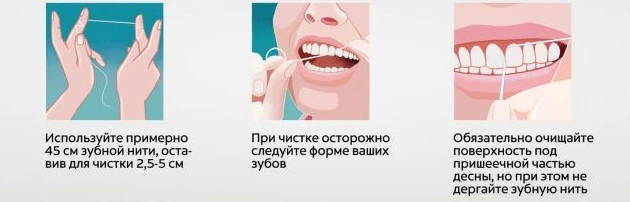
Consider the process of brushing your teeth with dental floss in more detail:
- Before starting the procedure, wash your hands clean.
- For cleaning, it is necessary to separate 20-40 cm of floss.
- We wind the thread around the finger so that the gap is 3-4 cm.
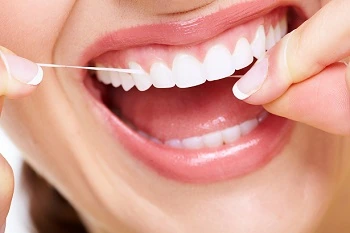
- We introduce floss into the gap between the teeth and perform translational movements from side to side, without pressure on the gums.
- After cleaning one section, the used thread is thrown away and a new similar piece is prepared. According to professional dentists, this approach is the most correct, despite the fact that this option is not the most economical.
- Using the above principle, it is necessary to clean all contact surfaces of the teeth.
There are no difficulties in the instructions for using the floss. If such difficulties arise, it is best to additionally consult with a dentist.